
#TransformingOurGame   /   2015—2026

Built to Transform African Football.

From its grassroots beginnings, FFA has worked to strengthen the systems around African football—education, governance and infrastructure—so talent and passion can grow into lasting opportunity.

A decade of thinking by Brian Wesaala and The Football Foundation for Africa
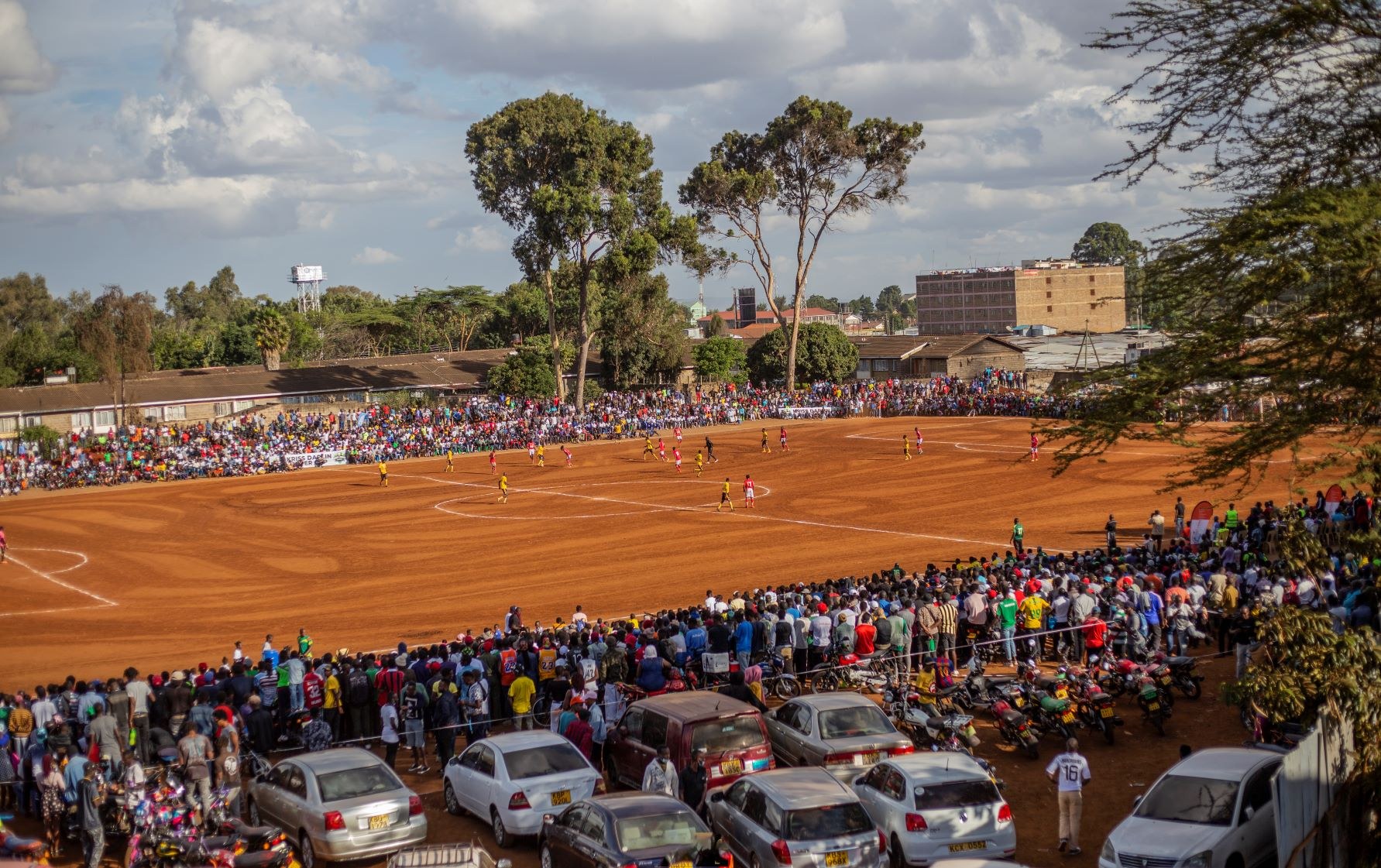
A large community crowd watches a grassroots football match on a local dirt pitch.
Grassroots football is built on people, places and community.
The central idea

Build the conditions around the game.

African football has never lacked people, passion or talent. The persistent gap is in the systems that help people create and retain value: facilities, skills, governance, markets, knowledge and durable investment.

“Just like any other industry, without the required infrastructure, we cannot talk about development and growth.”Infrastrategy, 2015
Ten years of connected thinking

The idea changed shape.
Its purpose stayed.

Move through the milestones to see how observation became diagnosis, then an institution, operating practice and a policy framework.

2015Conceptual foundations

Start with the system, not the spectacle.

The first essays examined football through political, economic, social and technological lenses. They asked how schools, local facilities and stakeholder value could support a game built for its own communities and markets.

  • Systems thinking
  • Local infrastructure
  • Stakeholder value
The first article appeared in January 2015.01 / 06
The shift in the question

From participation
to value retention.

Participation matters. But participation alone cannot build a resilient football economy. The deeper question is whether the people, clubs and communities who create the game can also build institutions, careers, businesses and public value around it.

“We must not just train a handful of players for the European market. We must also look at the majority who remain on the continent by creating a better environment.”Brian Wesaala · Le Temps profile, 2021
The Football as Infrastructure model

Six connected forms
of infrastructure.

Formalised in the 2025 White Paper, the model treats football as a connected system. Each pillar supports the others; none works in isolation.

Download the official White Paper
01 / PLACE

Physical

Safe, fit-for-purpose facilities that communities can access and sustain.

02 / PEOPLE

Human

Players, coaches, administrators and other professionals equipped to grow the game.

03 / COMMUNITY

Social

Belonging, inclusion, health and cohesion built through participation and shared institutions.

04 / VALUE

Economic

Markets, jobs and investment pathways that help value stay and circulate locally.

05 / TRUST

Governance

Rules, accountability and capable institutions that make long-term investment possible.

06 / LEARNING

Knowledge

Data, research and shared learning that make decisions more informed and progress measurable.

What changes in practice

Infrastructure thinking changes how we invest.

It asks governments, football bodies, communities and businesses to plan beyond the event or the next season—and to build foundations that can produce lasting public and economic value.

01

Design for the context

Adapt useful lessons to African realities; do not import a model wholesale.

02

Develop the local game

Build strong domestic pathways and markets before treating talent as an export pipeline.

03

Make investment work harder

Use public investment, strategic partnerships and value-for-money thinking to strengthen the whole system.

04

Measure more than trophies

Track access, capability, jobs, inclusion, governance and the value retained by communities.

05

Connect football to public goals

Align the game with education, health, employment, social cohesion and sustainable development.

The next chapter

The framework is ready
for the work ahead.

Ghana's Sports Development Fund and the policy direction described in the 2025 paper offer an early national signal. Continental adoption is still work to do: the planned presentation to the African Union Sports Council in December 2025 did not take place. The opportunity now is to test, strengthen and apply the framework with governments and grassroots communities.

The 2026 Africa Football Business Summit is anchored on the Football as Infrastructure framework.

Explore the 2026 Summit
Download the official White Paper